
How to Build a Grocery Delivery App Like Blinkit for Startups in Noida 2026
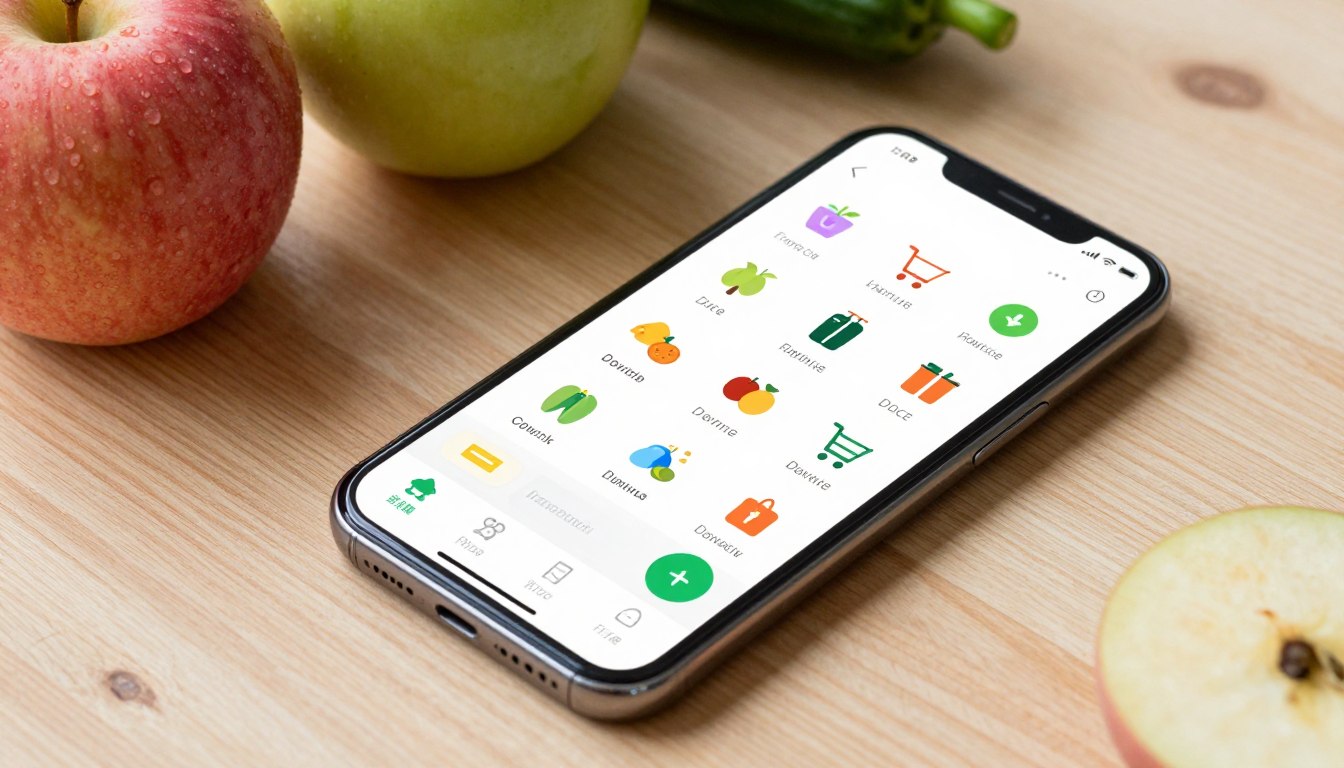
How to Build a Grocery Delivery App Like Blinkit for Startups in Noida 2026
Building an on-demand grocery platform requires synchronizing four distinct software applications with a localized network of micro-fulfillment centers. Successful platforms achieve rapid order fulfillment by pairing robust digital architectures with precise dark-store inventory management.
The Four Essential Pillars of the Grocery Platform
A functional on-demand grocery enterprise operates across four tightly integrated software components. Failure in any single interface disrupts the entire fulfillment pipeline.
Customer Application
Provides intuitive catalog search, category filtering, cart management, secure checkout, and real-time package tracking. Available on mobile operating platforms and web browsers to maximize accessibility.
Courier Partner App
Delivers dispatch notifications, turn-by-turn navigation, order verification workflows, earnings tracking, and communication tools. Optimized for low-latency updates and battery conservation on mobile devices.
Store Operations App
Equips dark-store staff with barcode scanning, picking sequence optimization, rack location locators, and outgoing parcel handoff validation. Interfaces directly with warehouse management databases.
System Scalability, Data Privacy, and Security Architecture
Grocery platforms process continuous streams of sensitive personal information, including home addresses, phone numbers, and payment details. Robust security architectures protect user data while supporting rapid database queries during traffic surges.
Decouple payment and order intake services from catalog browsing infrastructure. Isolating critical transaction pathways prevents system-wide outages during promotional traffic spikes.
All client-server communications require encryption in transit and at rest. Microservices isolate payment processing and identity management from non-sensitive catalog browsing services, reducing exposure surfaces and containing potential software errors.
Frequently Asked Questions
How does a quick-commerce app differ from standard e-commerce software?
Quick-commerce applications require real-time synchronization with hyperlocal dark-store inventory and automated dispatch systems. Standard e-commerce software operates on scheduled multi-day delivery windows from centralized regional warehouses, tolerating asynchronous stock updates.
Which technology stack best supports rapid grocery app development?
A combination of React Native for mobile applications, Node.js or Go for microservice backends, and PostgreSQL with Redis caching offers a resilient foundation. This pairing provides developer efficiency, real-time data handling, and horizontal scaling capabilities.